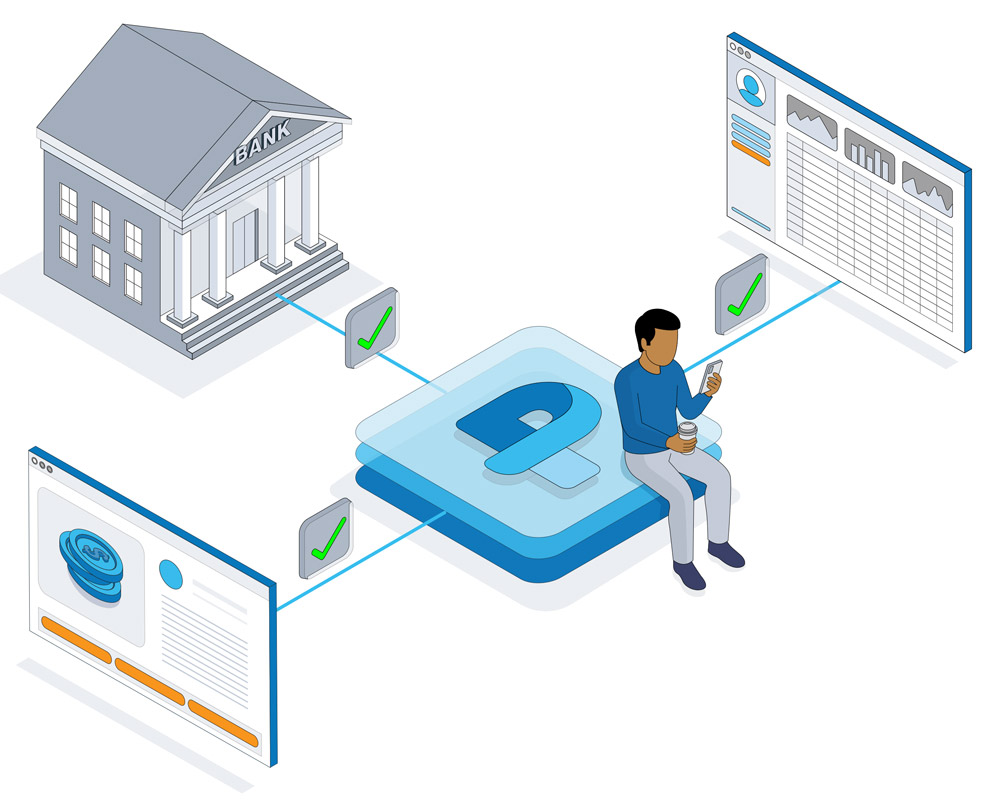


Three ways generative AI will empower banking employees — not replace them
Generative AI is a way to add more efficient access to knowledge and data that can help employees
- |
- Written by Zor Gorelov, Co-founder and CEO, Kasisto

While Generative AI is being embraced by the banking industry to help remain competitive, some financial services employees worry that Generative AI might replace them and their current roles. When leveraged correctly within a financial institution, Generative AI is a way to add more efficient access to knowledge and data that can help employees in their day-to-day work, almost like an extra team member. Rather than being a threat, AI can be viewed as a means of empowering employees and helping banks find new ways for employees to perform more efficiently and effectively while greatly improving their labor productivity.
Here are some of the ways generative AI can support bank employees in their current roles:
- Helping bank employees find accurate answers faster
Through the introduction of Generative AI, employees are able to support their customers and members quicker and more accurately. Generative AI can enable them to interact with customers more consistently, accurately, and with deeper levels of personalization.
Employees will spend less time searching for specific information, because Generative AI has the ability to search through and sort vast amounts of information instantaneously — a task that would be impossible for a human to complete within the same period of time. Generative AI can then summarize the best responses and cite the source documents. This can lead to: quicker response times, reduced operating costs and improved customer retention/satisfaction. When the AI is built from current, private and bank-specific information, bankers can trust that their answers will be accurate and compliant with regulations. - Gives bank employees deeper analysis of their customers to help improve cross-selling and upselling
AI has the ability to help bank employees make tailored customer recommendations and offer personalized guidance by analyzing customer data and behavior. This customer-specific guidance can help to build stronger relationships between financial institutions and their customers or members, by providing a deeper level of knowledge backed by data. This helps customers to make smarter decisions in their financial journeys. This type of enhanced, data-driven customer experience can lead to higher retention over the long term and provide more revenue-generating opportunities via new products and services.
Generative AI’s ability to sort through vast amounts of information instantaneously and deliver a precisely targeted response can be an asset to any customer-facing employee. Think of it as a super-smart co-worker who knows what your employees are looking for as soon as they ask. - Handing back valuable time to banking employees by doing more of the tough work and tedious research
According to McKinsey, AI can improve business efficiency by up to 40% and reduce operational costs by up to 30% when automating repetitive tasks and streamlining business processes. Deploying generative AI to execute repetitive tasks can free up resources for more strategic initiatives and the higher-value work employees want to be doing. Generative AI can be leveraged to analyze operational data and patterns, and to identify opportunities for process improvement, improved customer experience, and staff optimization.
Generative AI is revolutionizing the banking industry as we know it and is on a path to enable a happier, more engaged workforce. An AI-first strategy may actually be a people-first strategy.
Author: Zor Gorelov, Co-founder and CEO, Kasisto
Tagged under AI; Artificial Intelligence; Human Resources; The Economy; Feature; Feature3;