

Bank of Canada Tests Tokenized Bond Issuance
Project Samara reveals the advantages and limits of tokenized bonds
- |
- Written by Banking Exchange staff
A group of Canadian financial institutions has completed a real-world experiment testing whether tokenization and distributed ledger technology (DLT) could improve how bonds are issued and settled.
The initiative, known as Project Samara, brought together the Bank of Canada, RBC Capital Markets, RBC Investor Services, TD Bank Group and Export Development Canada to explore how digital infrastructure might streamline capital markets.
As part of the trial, Export Development Canada issued Canada’s first tokenized bond using DLT, with payments settled using wholesale central bank deposits.
The bond was sold and traded on the purpose-built Samara Platform and will continue to be managed there throughout its lifecycle.
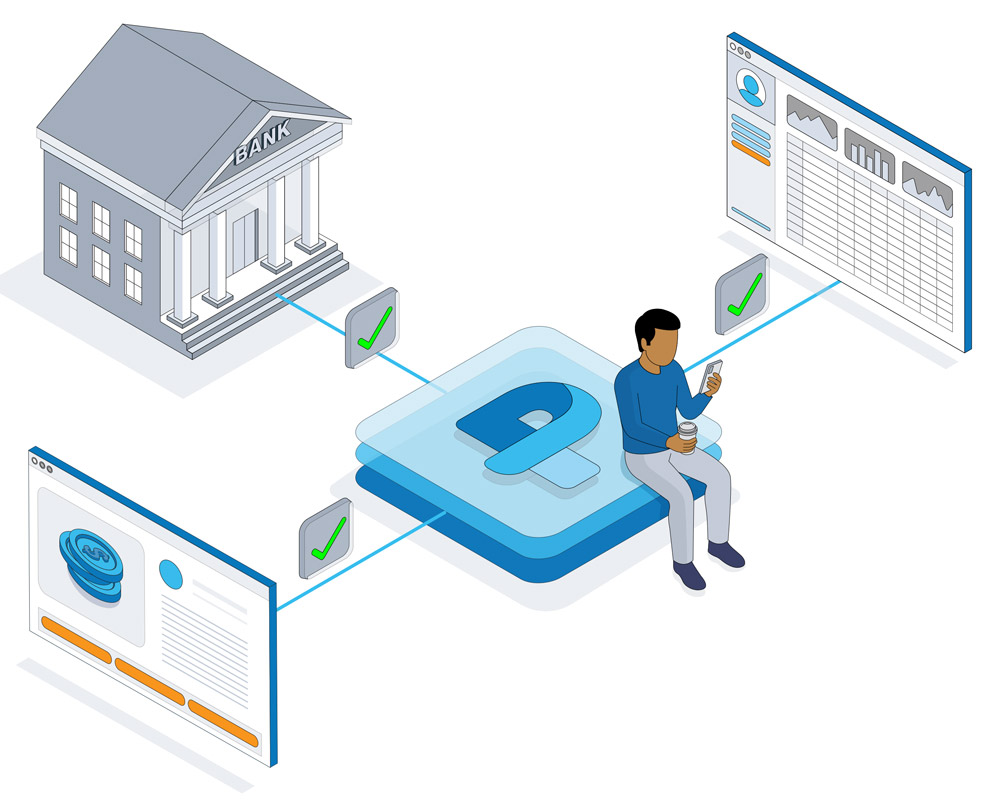
The platform was designed to handle the entire bond process on-chain, including issuance, bidding, coupon payments, redemption, and secondary market trading. By integrating separate ledgers for both cash and bonds, the system enabled transactions to settle instantly.
Project Samara builds on earlier research from the Bank of Canada’s Jasper experiments and aimed to test whether a DLT-based platform could function in a realistic capital markets environment. The trial involved a single security — a $100m Canadian dollar-denominated bond with a maturity of less than three months — issued to a closed group of investors.
Participants found that the technology delivered several operational benefits. For example, workflows were streamlined, data integrity improved, and some processes became more efficient across participating organizations.
However, the project also highlighted challenges. The added technological complexity, liquidity costs, and the need for new governance arrangements partially offset efficiency gains. While counterparty and settlement risks were reduced, new operational risks linked to technology resilience, auditing, and fallback systems emerged.
The experiment also exposed regulatory and legal questions, particularly where existing market structures, such as custodians or marketplace operators, do not neatly align with decentralized systems.
Despite proving technically feasible, the participants said widespread adoption of DLT in bond markets is likely to be gradual due to integration challenges and limited appetite for large-scale infrastructure changes.
Tagged under Tokenization; Feature; Feature3; Global Exchange; Canada;