

IBM’s Top Trends that Will Impact the Banking Industry
Top trends IBM sees impacting the banking industry
- |
- Written by Banking Exchange staff

Looking ahead to the rest of the year, these are some of the top trends IBM sees impacting the banking industry:
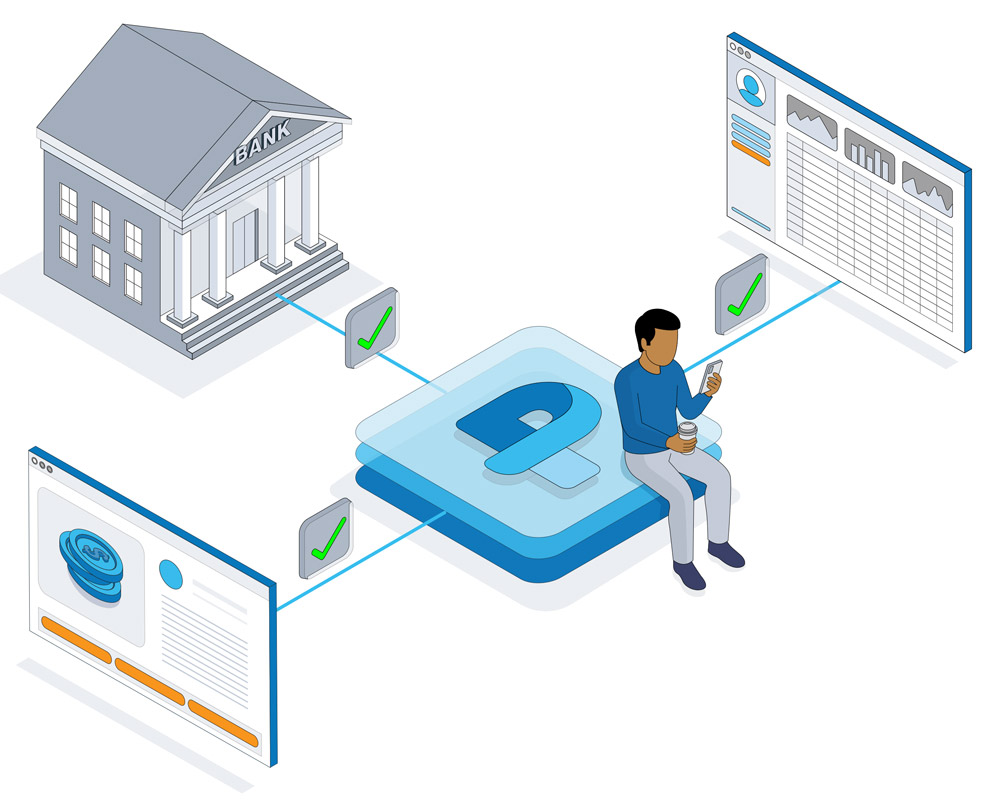
- Open banking goes global: Open banking allows customers to share access to their data with non-bank third parties, so that those companies can then provide services to give customers a better experience. Last year, PSD2 forced European banks to open certain banking services to third parties. Look for this trend to make waves in markets like the U.S., as regulations increase and banks look to differentiate themselves.
- Regulators embrace AI, slowly but surely: In December of last year, the U.S. Treasury Department’s anti-money laundering unit and the federal banking regulators issued a joint statement to encourage the industry to consider “innovative approaches,” including new technology such as AI, to enhance their compliance programs. In January, the U.K. formed a task force to focus solely on reducing financial crime. Expect this trend to continue in the coming year, as governments and other institutions continue to test and finally implement AI technologies to solve major industry problems.
- The cloud is here to stay: Twenty-five years ago, banks were questioning whether it was safe to execute their transactions electronically over the newly created World Wide Web. Twenty-five years from now, the debate over the safety of the cloud for banking will seem similarly outdated. According to an IBM IBV study banking’s spending on cloud is expected to approach USD $100 billion by next year. Look for the conversation around to cloud to shift from “if” to “which kind” in 2019.
- Real-time payments become reality: 95% of Americans today own a cellphone of some kind. As a result, consumers are increasingly living their lives online. In 2019, look for the mobile payments experience to continue to play a central role in banks’ overall business strategies. Payments are at the heart of banks’ digital relationship with their customers, and the more banks can do to make payments painless, the more engaged customers will be.
- Data - the crown jewels: Financial institutions own 80% of data, and customers trust them with this data. As the tech world becomes more open and integrated, risk becomes greater. Banks require environments to gather intelligence, innovate, and integrate some of our core banking services with others. Hybrid cloud allows banks to take the best of the public cloud world and bring it into a private world for testing, mining, and more, and then back out to the public again.
- Platforms continue to change everything: Platforms are arguably one of those overused words in business today, and for good reason - they're changing everything. In the coming year, look for banks to continue placing bets on the creation of business platforms to solidify both their competitive advantage and differentiation in an already crowded marketplace. The challenge will lie in ensuring that these platforms are both digitally connected and enabled for the next generation of technologies such as AI and blockchain.
Tagged under Deposit Trends; Feature; Financial Trends; AI; Payments; Compliance; Branch Technology/ATMs; Outsourcing/Cloud; Tech Management; Compliance/Regulatory; Feature3; Blockchain; Fintech; Business of Blockchains;