

How the Pandemic is Changing Payment Habits
More than half a trillion real-time payments are expected to be processed over the next five years, according to ACI Worldwide
- |
- Written by Banking Exchange staff

The global health pandemic could act as a trigger to expand the use of digital payments dramatically, according to a new report by payments firm ACI Worldwide.
Measures taken by governments and companies of all sizes to stem the spread of the COVID-19 coronavirus have led to a drop in the use of cash, in order to reduce physical contact between people – one of the primary ways in which the virus is spread.
This has led to a rise in the use of contactless and mobile payment technologies. In the UK, authorities have increased the maximum payment on contactless credit and debit cards by 50% to £45 ($55.62), effective today, to support this shift.
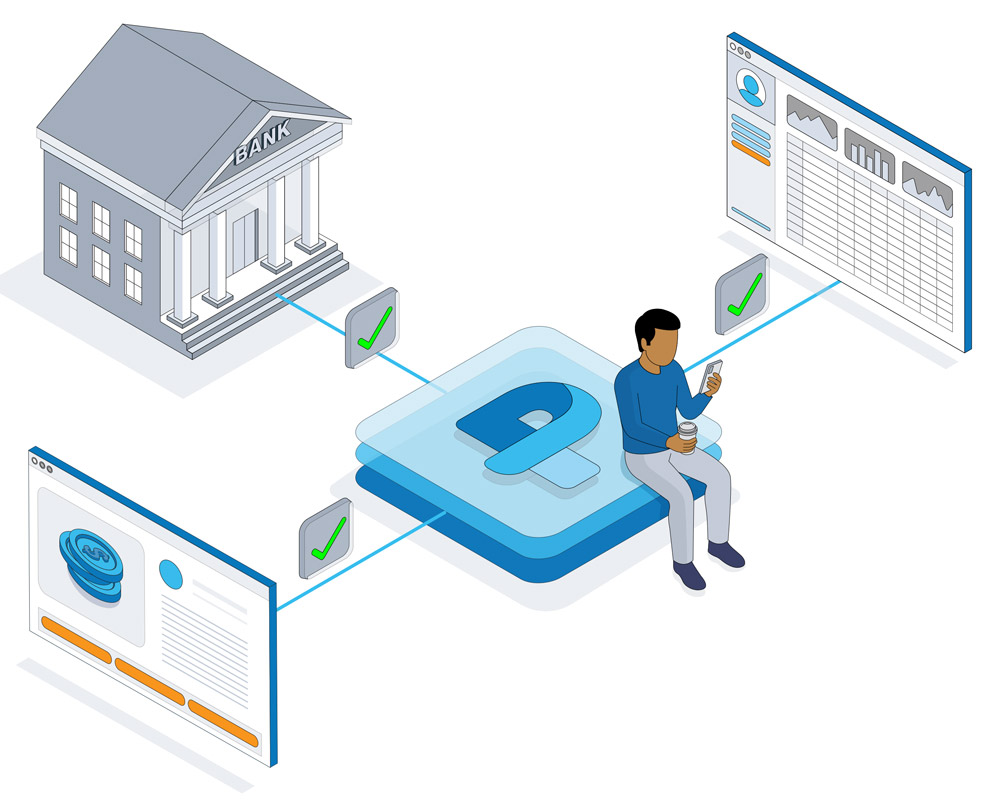
More than half a trillion real-time payments are expected to be processed over the next five years, ACI Worldwide predicted in the report, titled ‘Prime Time for Real-Time’.
Jeremy Wilmot, group president of ACI Worldwide, said in his introduction to the report: “Global adoption of real-time, account-to-account payments is on the rise, and the COVID-19 crisis has only reinforced the importance of ensuring individuals and small businesses have fast and cheap access to funds.
“As individuals around the world have either refused or been unable to use cash, checks and even PIN payments, we’ve seen more people, governments and businesses embracing digital payments — a behavior change likely to continue once the crisis is over.”
Wilmot highlighted “significant innovations” in overlay services in recent years that had made the user experience of payments and banks’ back office operations more efficient.
ACI Worldwide identified five indicators of the strength of a market’s real-time payments environment, a combination of which it said could help “drive the initial growth explosion” of this technology.
The five indicators included: a payment modernization initiative driven centrally, either by government of a group of stakeholders; seamless integrated payment methods for end users; a “connected ecosystem” of stakeholders working to improve the user experience; and an openness to alternative payment methods.
In addition, the report forecast a 42.1% compound annual growth rate for real-time payments in the US between 2020 and 2024.
India is expected to lead the world in terms of volume, however, with transaction volumes predicted to grow from 15.3 billion in 2019 to a 52.8 billion in 2024.
“From governments and central banks to merchants, corporations, billers and fintechs, every player in the payments ecosystem stands to benefit from real-time – and it’s not hard to imagine a future in which everyone expects real-time payments all the time,” Wilmot added.
“Individuals already expect real-time in almost every other part of their daily lives, and payments need to keep up with that expectation.”
ACI Worldwide’s research is the latest to predict a huge increase in the use of digital payment technologies.
Data collected by Statista and LearnBonds.com in a February report forecast that the use of smartphone-based point-of-sale payment apps would hit $2 trillion in just three years. The two firms also released a report in January predicting that global digital payments would hit $6.7 trillion by 2023.
Tagged under Payments; AI; Mobile; Cards; Online; Security; Checks/Remote Deposit Capture; Tech Management; Branch Technology/ATMs; Feature3; Fintech; Feature; Financial Trends;