


Business Loan Programs Expanding as Demand Soars
The Fed is boosting several pandemic aid programs, including the PPP, as data shows more than half of its first expansion has been used up
- |
- Written by Banking Exchange staff
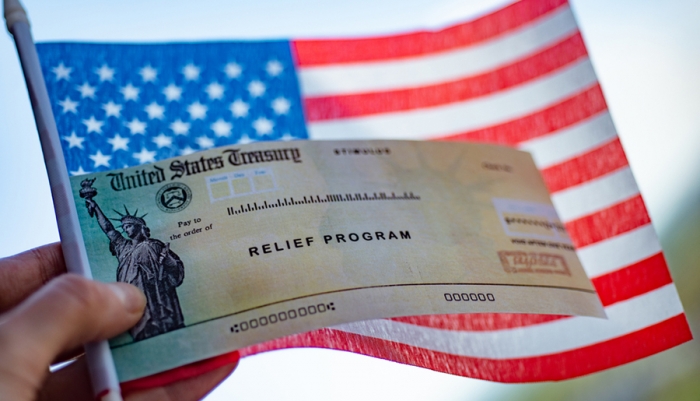
The Federal Reserve last week moved to expand several aid facilities designed to support companies through the impact of the COVID-19 pandemic.
The central bank added hundreds of additional lenders to the Paycheck Protection Program (PPP), meaning non-depositary institutions are now eligible to process loans via the small business support program.
It announced on Thursday that non-bank lenders were eligible for support from the PPP Liquidity Facility, which extends credit lines to lenders making or purchasing PPP loans further supporting the rollout of the program.
Lawmakers approved an expansion of the PPP last month with $320 billion of extra funds.
Data from the Small Business Administration (SBA), which is overseeing the PPP, showed that as of May 1 the second round of applications had led to more than 2.2 million approved loans worth a combined $175.8 billion.
Of this, more than 857,000 loans and $55.5 billion of funds were processed by smaller banks and lenders with less than $10 billion assets, the SBA’s data showed.
Banks and lenders with between $10 billion and $50 billion of assets accounted for just over 326,000 loan approvals worth $27.6 billion.
In an interview with CNN this weekend, National Economic Council director Larry Kudlow said the PPP had been “extremely popular and effective”, but urged authorities not to wait too long before agreeing a second expansion if one is needed.
Separately, the US Treasury said it would review all requests for forgiveness of PPP loans of over $2 billion to ensure the loans were limited to “eligible borrowers in need”.
On May 2 senators contacted the Treasury and SBA to request more information about loan forgiveness, including what channels borrowers had to use to request forgiveness on their loans.
The Fed also expanded the scope and eligibility terms for its Main Street Lending Program, a $600 billion lending facility for medium-sized businesses, following pressure from multiple organizations – including the American Bankers Association (ABA).
This loan program was initially restricted to companies with annual revenues of $2.5 billion or less, or fewer than 10,000 employees. This has now been raised to $5 billion in revenues or 15,000 staff.
The Fed also lowered the minimum loan size from $1 million to $500,000, enabling smaller borrowers to access the funds. In addition, the central bank said it was “evaluating a separate approach” to support the “unique needs” of non-profit organizations.
ABA CEO Rob Nichols said the changes would “increase bank participation and allow this program to reach even more small and midsize businesses in need”.
The Federal Reserve last week also added $500 billion to its planned municipal bond purchase program, known as the Municipal Liquidity Facility.
Tagged under Business Credit; The Economy; Fair Lending; Feature3; People; Customers; Compliance/Regulatory; Big Data; Feature;