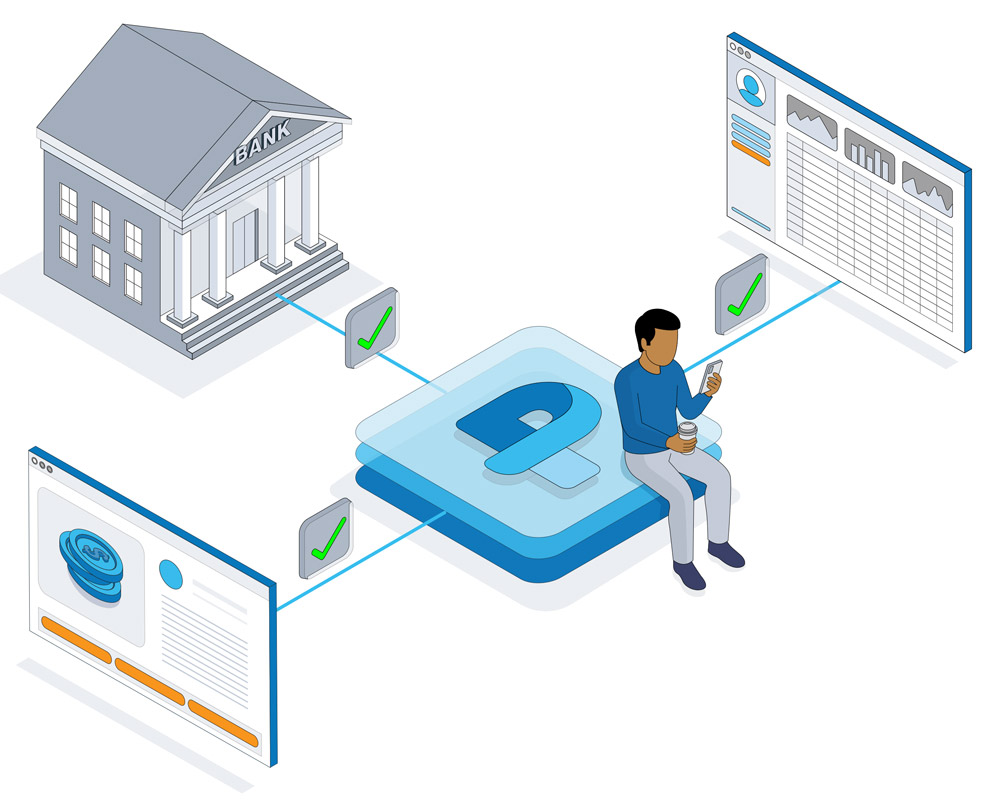


Beyond the Surface Level: Why Diving Deep into Compliance is Crucial for Fintech-Bank Partnerships
93% of fintechs find it challenging to navigate compliance requirements
- |
- Written by Chris Mastrangelo, Chief Risk Officer, Grasshopper Bank
It’s no secret that compliance is critical for fintechs, particularly those looking to partner with banks. But meeting the rigorous regulatory standards banks are held to, and expect their partners to uphold, is often easier said than done. According to data from Alloy, 93% of fintechs find it challenging to navigate compliance requirements. And with global regulatory fines reaching all-time highs, it’s not just big institutions that are getting hit. Alloy’s report found that over 60% of fintechs paid at least $250K in compliance fines in 2023 alone.
With limited time and resources, fintechs often deal with a number of competing priorities, such as developing an appealing product, enhancing their speed to market, and broadening their customer base. But without a strong compliance foundation, those ambitions can hit a wall, especially when it comes to earning the trust of potential bank partners.
To stand out in an increasingly competitive market, fintechs need more than just a surface-level compliance plan. Knowing ahead of time what banks will be looking for and proactively implementing compliance best practices will not only give fintechs a leg up on securing partnerships, but also help them avoid the financial pitfalls that come with regulatory action.
What Banks Want to See
When fintechs enter Banking-as-a-Service (BaaS) relationships, banks share their compliance risk, making a fintech’s regulatory posture a direct reflection of the bank itself. In today’s regulatory environment, that’s no small responsibility.
With this in mind, here’s what fintechs should be ready to show:
- Experienced Compliance Leadership: Saying you take compliance seriously isn’t enough. Banks want to see commitment in action. That starts with experienced leadership. Whether it's a Bank Secrecy Act (BSA) officer, or leaders with compliance backgrounds, having qualified people in place signals you’re capable and serious about building a strong, sustainable program.
- Well-Documented Policies and Procedures: Banks are required to have extensive compliance documentation to stay compliant with regulatory standards, and they expect the same from their fintech partners. From onboarding flows and Know your Customer (KYC) protocols to enhanced due diligence, documentation is key. Banks will ask for proof, not just that you have the systems in place, but that you’re using them consistently and effectively. Missing or outdated documentation can signal gaps in oversight and raise concerns about your ability to meet regulatory requirements.
- Operationalized Tools and Technology: Technology is only as valuable as the way it is used. Banks will want to see how your transaction monitoring, identity verification, and fraud detection tools are driving real outcomes, preventing fraudulent and nefarious activities. If you’re investing in areas like dispute resolution or quality assurance, that can add value for your customers and your bank partner. Going the extra mile to make sure compliance tools and procedures are being used to the fullest extent shows true expertise and gives fintechs a leg up in conversations with banks.
The good news: fintechs don’t have to figure it out alone. The right investors and advisors can offer insight into what tools and practices banks prioritize and steer you in the right direction, helping you balance short term goals (product development, customer growth) with compliance initiatives from day one.
Red Flags Go Both Ways
Successful bank-fintech partnerships revolve around a shared commitment to compliance. Just as banks evaluate fintechs, fintechs should be equally selective. A bank that isn’t equipped to manage compliance well could expose your business to unnecessary risk and potential regulatory action down the road.
Here’s what to watch out for in those early conversations:
- Past Regulatory Scrutiny: If a bank has been subject to recent enforcement actions or public criticism, take a closer look. Examine the severity of the issues, how the bank responded, and whether meaningful changes have been made to address the issues.
- Light-Touch Due Diligence: Be wary of potential partners who talk up their compliance efforts but don’t follow through on the backend. The right bank partner will ask tough questions and want to test your systems. If they’re not conducting thorough due diligence, or don’t seem equipped to, it may be a sign that compliance isn’t as much of a priority as it should be.
- Lack of Support: Strong bank partners do more than set expectations, they help you meet them. Whether it’s recommending trusted compliance vendors, offering access to internal resources, or simply sharing best practices, banks should be proactive about enabling your success. A good first step is to ask whether the bank offers a vetted list of compliance partners they collaborate with or recommend.
At the end of the day, successful bank-fintech partnerships are built on more than just innovation; they rely on shared accountability. Even the most exciting and innovative partnerships can be hamstrung by insufficient compliance efforts. By taking a proactive approach to compliance and knowing what to expect from bank partners, fintechs can lay the groundwork for long-term growth, stability, and trust. Compliance may not be the flashiest part of fintech, but it creates the foundation on which the future of banking is built.
Author: Chris Mastrangelo, Chief Risk Officer, Grasshopper Bank
Tagged under Compliance; Feature3; Feature; Fintech;