

Visa Halts Open Banking Operations in the US
Regulatory uncertainty and potential fees to access customer data prompted Visa’s decision
- |
- Written by Banking Exchange staff
Visa has closed its US open banking division, citing rising tensions between banks and fintechs over customer data access and ongoing regulatory uncertainty.
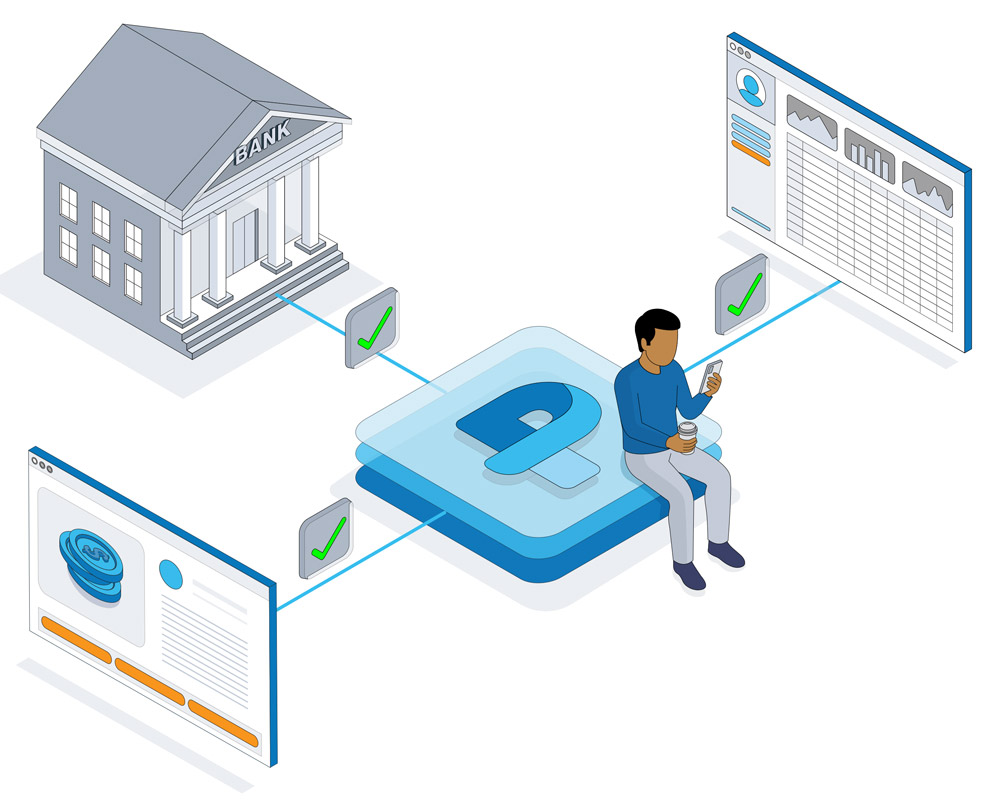
The payments processor’s unit provided fintechs with tools to access bank data, which aimed to enable quicker sign-ups and easier money transfers.
However, disputes between banks and fintechs have raised questions over the future of open banking as many banks have warned fintechs that they could be charged significant fees to access customer data.
Banks argue that the fees are needed to cover the cost of securing and providing customer data, while fintechs counter that the information belongs to customers and that the charges would severely hurt their businesses.
The future of rules preventing banks from charging for access to customer data remains in doubt. In October, the Consumer Financial Protection Bureau (CFPB) finalized its Personal Financial Data Rights rule, giving Americans the right to instruct their banks to share financial information with third-party providers.
But in May, under the new Trump administration, the CFPB moved to rescind the rule, a step the Financial Technology Association (FTA) denounced as a “handout to Wall Street banks.”
With the decision to close the open banking unit, Visa will instead redirect its open-banking focus towards “high potential markets like Europe and Latin America,” Bloomberg reports.
These regions have recently emerged as open banking leaders by prioritizing regulation. A major distinction between the EU and the US is that European regulators require banks to share data with third parties at no cost, whereas in the US, banks and fintechs must negotiate access terms privately.
Tagged under Consumer Credit; Compliance; CFPB; Compliance/Regulatory; Duties; Feature; Feature3; Global Exchange;